
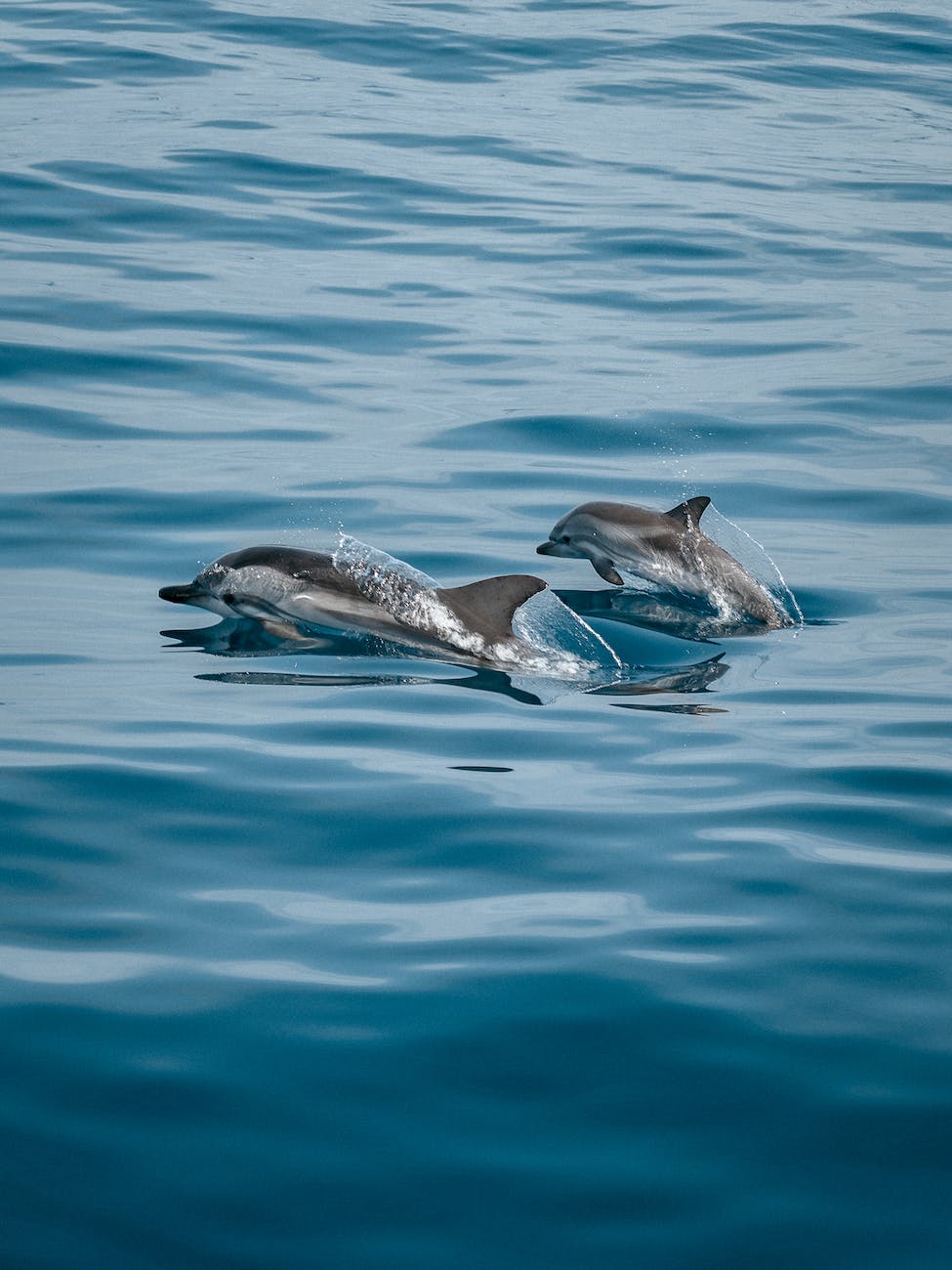
For many years science has acknowledged that dolphins alter their behavior and movement in response to human coastal activities (e.g., commercial shipping, dredging, ecotourism). But to what extent? Now a new study has recorded and analyzed the behavior and movement patterns of bottlenose dolphins (Tursiops truncatus) in the presence and absence of vessels.
.
Backstory
Documented scientific evidence has shown that vessel activity poses various risks to marine mammals including short-term behavioral disruptions that reduce foraging or resting, long-term shifts in behavior that change social structure and habitat use, and collisions resulting in physical injury or death to marine mammals. Dredging operations, tourism and recreational vessels, and the presence of many large vessels in major shipping ports and marinas contribute to increased vessel traffic and noise pollution that can change dolphin distribution and behavioral patterns.
.
Findings overview
The findings revealed that dolphin behavior and movement patterns were significantly affected by season, time of day, group composition, and vessel characteristics. Season, time of day, group size, vessel type, vessel size, and number of vessels were significant predictors of dolphin behavioral state. Significant predictors of dolphin movement patterns included season, time of day, group size, calf presence, vessel type, and vessel numbers.
.
More findings past and present
.
Conclusion
Overall, the scientists found that high levels of industrial activity puts the dolphins at risk of human-related disturbance and injury. The observed dolphin–vessel interactions emphasized the need for long-term monitoring of dolphins near human activities and enforced boating regulations near important marine mammal habitats.
Journal reference: Mills EMM, Piwetz S, Orbach DN. Vessels Disturb Bottlenose Dolphin Behavior and Movement in an Active Ship Channel. Animals. 2023; 13(22):3441. https://doi.org/10.3390/ani13223441

